 회원검색
회원검색 통합검색
통합검색 교육신청
교육신청 연구검색
연구검색 데이터
데이터 TOP
TOP


KCSG 소식

- 알림
- KCSG 소식
| 주요 연구성과 | 간행물 | 미디어 | 연구회동정 | KCSG 인사이트 | 뉴스레터 |
SWOG Chair Charles D. Blanke 박사 인터뷰
- 작성자 관리자
- 등록일 2026-03-09
- 조회수 13
SWOG Chair Charles D. Blanke 박사 인터뷰
지난 2026년 2월 21일 개최된 KCSG Annual Meeting에 참석한 Charles D. Blanke 박사(Chair, SWOG)는 협력 연구 네트워크의 지속가능성과 미래 임상시험 리더십에 대해 깊이 있는 통찰을 공유했습니다. Blanke 박사는 강연에서 성공적인 연구 네트워크의 핵심 요소로 리더십, 거버넌스, 인프라, 회원 참여를 제시하며, 특히 ‘회원 참여’의 중요성을 강조했습니다.
Annual Meeting 이후 진행된 서면 인터뷰를 통해 KCSG 회원들에게 전하는 실질적인 조언을 들어보았습니다.
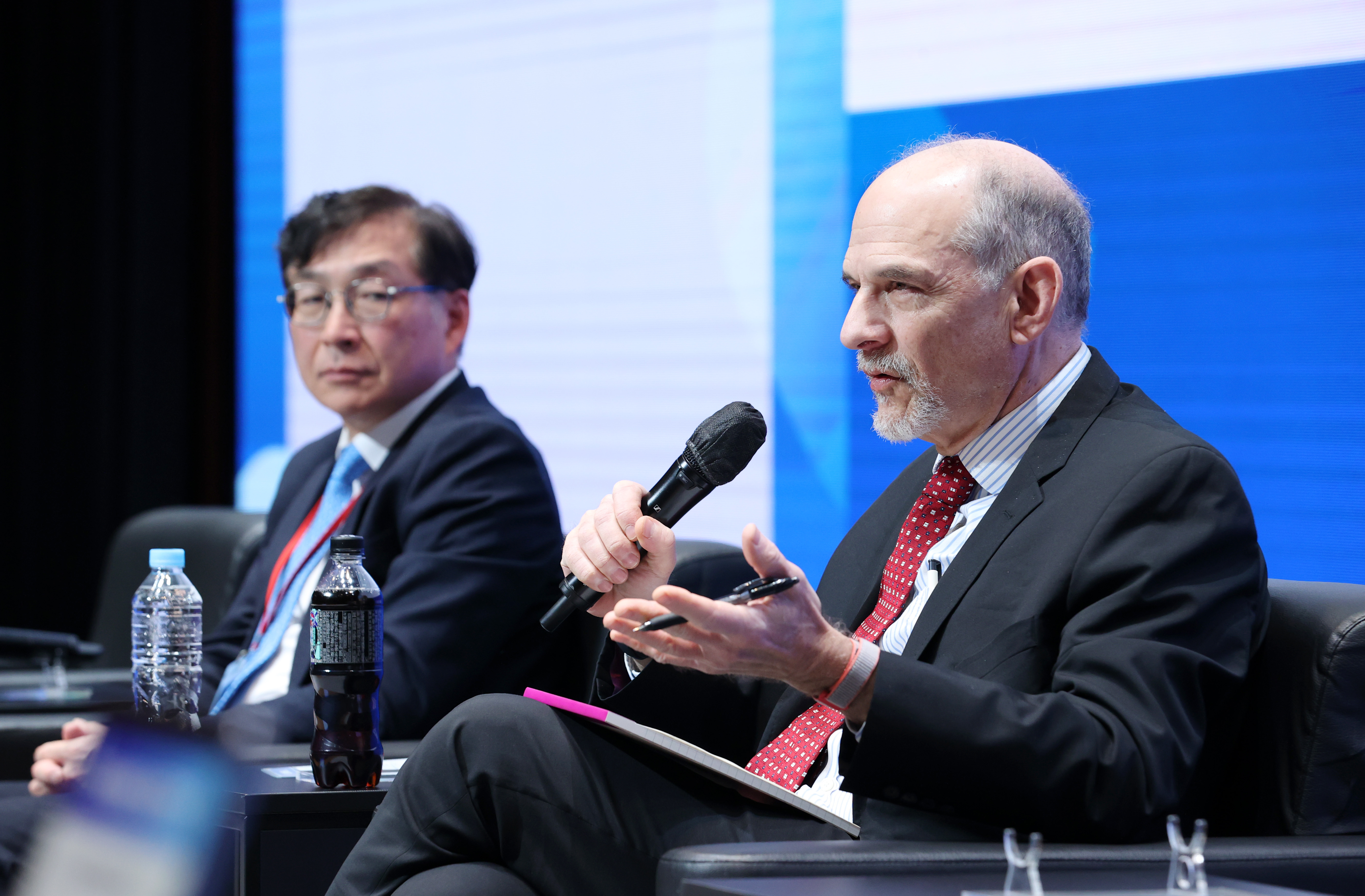
(사진 = 2026 KCSG Annual Meeting에서 질의응답을 진행하고 있는 Charles D. Blanke 박사(오른쪽), 안진석 회장(왼쪽)
Q1. 성공적인 연구 네트워크를 구축하고 지속하기 위해 가장 중요한 요소는 무엇입니까?
말씀드린 모든 요소 - 리더십, 거버넌스, 인프라, 회원 참여?가 중요합니다. 그러나 가장 큰 기여 요인은 회원 참여입니다.
회원 참여는 보다 능동적인 요소입니다. 적극적으로 참여하는 회원들은 새로운 연구 아이디어를 제안하고, 새로운 연구자와 환자를 유치합니다.
연구 네트워크는 자발적인 시스템입니다. 네트워크의 힘은 회원들이 참여할 가치가 있다고 믿는지에 달려 있습니다.
참여도가 높을 때 인프라는 비로소 유용해지고, 리더십 또한 효과적으로 작동합니다. 참여가 없다면 두 요소 모두 잠재력에 머물 뿐, 실제 임팩트를 만들어내기 어렵습니다.
Q2. 과학적 엄밀성을 유지하면서도 실제 수행이 용이한 임상시험을 설계하기 위한 실질적 원칙은 무엇입니까?
첫째, 네트워크가 어떤 유형의 임상시험을 수행할 것인지, 그리고 어떤 영역을 다룰 것인지를 명확히 해야 합니다.
둘째, 가능한 한 현실 세계를 중심으로 설계해야 합니다. 프로토콜은 이상적인 환경이 아니라 실제 진료 환경에서 수행될 수 있어야 합니다.
대상자 선정 기준은 과학적으로 타당한 범위 내에서 최대한 단순하고 포괄적이어야 합니다. 지나치게 제한적인 기준은 환자 등록을 지연시키고 연구 결과의 일반화 가능성을 떨어뜨립니다.
수집하는 모든 데이터는 명확한 과학적 질문에 답하거나 환자 안전을 보장하기 위한 것이어야 합니다. 과도한 데이터 수집은 연구 부담을 증가시키고 데이터 질을 저하시킬 뿐 아니라 참여 기관의 의욕을 떨어뜨립니다.
가능하다면 기존 레지스트리, 전자의무기록, 표준 진료 경로 등을 활용해 임상시험을 일상 진료 과정에 통합하는 것이 바람직합니다.
Q3. 차세대 임상시험 리더를 양성하기 위해 연구 네트워크는 어떤 실질적 조치를 취해야 합니까?
체계적인 멘토링 경로를 구축해야 합니다. 초기 경력 연구자를 경험 많은 임상시험 전문가와 연결하고, 단순 자문이 아니라 실제 모든 임상시험 과정에 함께 참여하도록 해야 합니다.
정기적이고 전담된 교육 프로그램도 중요합니다.
또한 초기 연구자에게 보호 시간과 공식적인 인정을 제공해야 합니다. 기관의 지원과 가시적인 성과 인정이 없다면, 유능한 임상의들이 학술 연구에 지속적으로 참여하기 어렵습니다.
마지막으로 기관 간 협력과 국제적 경험을 장려해야 합니다. 미래의 리더는 단일 기관을 넘어서는 시각을 가져야 합니다.
Q4. KCSG가 국가 단위 협력 연구그룹으로 성장하는 과정에서의 조언과, 이번 학회에 대한 인상은 어떠셨습니까?
KCSG는 매우 탄탄한 조직이며, 환자를 돕고자 하는 헌신적인 연구자들이 참여하고 있습니다.
가장 우선적으로 해야 할 일은 재원을 안정적으로 확보하는 것입니다.
그 다음으로는 성공적으로 운영되고 있는 다른 연구 네트워크들과 협력하고, 모범 사례를 공유하는 방향을 고려해볼 수 있을 것입니다.
Original Responses (English)
1. Among the key elements you described?leadership, governance, infrastructure, and member engagement?what do you believe is the single most critical factor for building and sustaining a successful research network?
All of those elements are important. But, member engagement is the biggest contributor. Member engagement is a more active factor. Engaged members provide new research ideas, and recruit new members and patients. Networks are voluntary systems. Their strength depends on whether members believe participation is worthwhile. When engagement is high, infrastructure becomes useful and leadership becomes effective. Without engagement, both remain potential rather than providing high impact.
2. What practical principles should investigator groups follow to design trials that are both scientifically rigorous and easier to implement?
First, the Network must decide what types of trials (phase) it wishes to conduct, and what areas it will cover (treatment only? Prevention and other population science)? Next, design mostly for the real world. Protocols should in general not just be conducted in idealized settings. Eligibility criteria should be as simple and inclusive as scientifically appropriate. Overly restrictive criteria slow recruitment and limit generalizability. Every data point collected should answer a scientific question or ensure patient safety. Similarly, excessive data collection increases burden, reduces data quality, and discourages site participation. Data required should be as simple as possible. Finally, when possible, embed trials into routine care whenever possible?using existing registries, electronic health records, and standard treatment pathways.
3. What practical steps can research networks take to cultivate future clinical trial leaders?
First, create structured mentorship pathways. Pair early-career investigators with experienced trialists?not only for scientific advice, but as participants in each and every trial. Holding regular, dedicated training courses are ideal. Make sure early stage investigators have protected time and recognition. Without institutional support and visible credit, talented clinicians will not stay engaged in academic trials. Finally, encourage cross-institution collaboration and international exposure. Future leaders must think beyond a single center.
4. As KCSG continues to grow as a national cooperative research group, what advice would you offer based on your experience? In addition, what were your impressions of KCSG and the Korean oncology research community during this meeting?
A very solid organization, with highly dedicated participants who really want to help patients. The first and most important step is to shore up funding. Then I would look to collaborate and share best practices with other successful networks.
SWOG Chair Charles D. Blanke 박사님의 강의는 '다시보기' 서비스를 통해 보실 수 있습니다.
메뉴: (로그인 후) 교육 > 다시보기 > 2026 KCSG Annual Meeting
-
다음 글
다음글이 없습니다.
-
이전 글